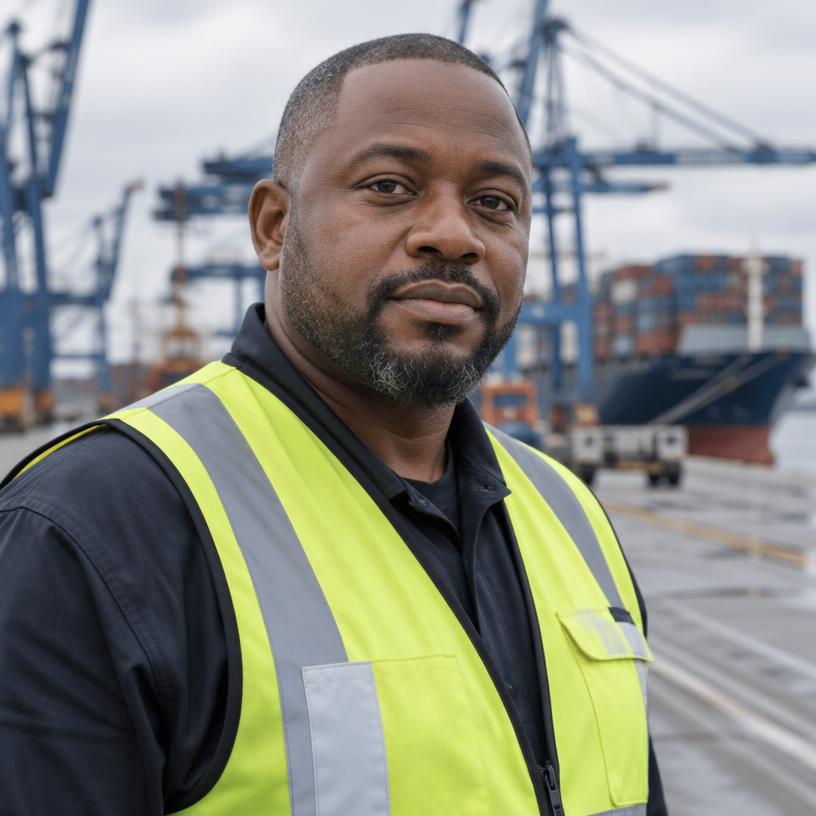
- Extended terminal turn times and chassis splits rapidly burn driver Hours of Service, reducing daily drayage productivity from two turns to one.
- Unplanned gate friction causes missed delivery appointments, resulting in carrier detention, demurrage, and container per diem charges.
- Industrial facilities handling heavy or out-of-gauge goods face severe receiving bottlenecks when delayed containers arrive in uncoordinated clusters.
- Near-dock transloading and private chassis access provide the most reliable operational buffer against marine terminal volatility.
How Gate Friction Compresses Available Drayage Hours
When marine terminal turn times spike, the direct consequence for industrial importers is a rapid consumption of driver operating hours that breaks transport schedules across an entire freight corridor. A drayage turn is the complete cycle time a driver spends checking in at the terminal gate, mounting or dropping equipment, picking up an import load, and clearing the out-gate inspection. Under baseline conditions, typical single-transaction turns generally require 45 to 75 minutes, while dual transactions regularly exceed two to three hours during peak volume windows. When terminal congestion stretches these cycles, motor carriers lose productive runs, turning a planned two-turn day into a single-turn day.
This friction is exacerbated by chassis splits. When an ocean carrier mandates that an import container move on a specific chassis pool provider, but the marine terminal lacks available units from that pool on site, the drayage driver must first travel to an off-dock chassis depot, mount bare equipment, and queue a second time at the port gate. This process burns valuable driver Hours of Service (HOS), which legally restrict commercial drivers to a 14-hour daily on-duty window. A driver who spends four or five hours securing matching equipment and clearing queues has very little drive time remaining to deliver heavy industrial goods like structural steel, crated machinery, or electrical components to inland facilities.
The Financial Cascade: From Gate Delays to Per Diem Bills
Terminal gate congestion triggers ocean carrier penalties: demurrage and per diem. Demurrage accrues when an import container sits in the terminal yard past its allowable free time, which typically spans three to five business days under standard ocean contracts. If localized drayage capacity is choked by extended gate turn times, motor carriers cannot pull containers before free time lapses, leaving the cargo owner directly liable for daily storage fees that escalate sharply after the initial grace period.
Once a container finally clears the gate, the financial exposure shifts immediately to equipment detention and per diem. Detention applies when carrier-owned equipment, including the container box and ocean-provided chassis, remains outside the terminal beyond allowable equipment free time, which generally ranges from four to seven calendar days. If an inland warehouse cannot unload industrial freight because the inbound drayman missed a scheduled morning dock appointment, the container sits mounted in the facility yard. Every day of yard dwell depletes regional chassis supply and triggers per diem invoices from ocean carriers alongside daily rental fees from equipment providers.
Receiving Shocks at Industrial Warehouses
For warehouse operations handling non-food industrial goods like solar components, lumber, plastics, and machinery, erratic drayage arrivals disrupt floor efficiency. These facilities rely on dedicated labor and specialized material handling equipment, such as heavy-capacity forklifts, overhead bridge cranes, or carton clamps. When terminal delays cause drivers to miss assigned time slots, warehouses face an afternoon bunching effect where multiple drivers arrive simultaneously, demanding live unloads to release chassis before per diem penalties set in.
Facilities lacking sufficient yard space cannot drop trailers, forcing drivers to wait on-site. This triggers secondary driver detention fees billed by the motor carrier, which typically begin after two hours of facility waiting time. Conversely, if a warehouse accepts dropped trailers to keep yard traffic moving, it absorbs the street dwell of that chassis. This practice sequesters pooled equipment, limiting the drayage carrier's ability to retrieve the next round of inbound containers from the port.
Operational Tactics: Mitigating Chassis and Gate Risk
To break the cycle of port-induced storage fees, industrial importers should decouple international ocean boxes from their domestic distribution networks through near-dock transloading. By routing import containers to an off-dock transload facility within a short radius of the port gate, drayage drivers can run tight, high-frequency circuits. Cargo can be quickly stripped from marine containers, inspected, and cross-docked into domestic 53-foot trailers or flatbeds for linehaul transport, allowing the empty container and chassis to return to the port well within free time limits.
Importers should also evaluate neutral or dedicated private chassis agreements rather than relying on ocean carrier haulage. Utilizing universal chassis pools or committed private fleets prevents drivers from running chassis splits, preserving their allowable driving hours for linehaul movement. Finally, industrial receiving docks must establish flexible receiving windows and drop-and-hook capabilities, ensuring that drayage assets are cleared and cycled on the day of arrival rather than sitting idle as expensive yard storage.
Audit your average port-to-warehouse drayage cycle times and transition high-volume import corridors to near-dock transloading to eliminate per diem exposure and restore predictable dock scheduling.
Need Warehouse Space?
Where do you need it, and how much? That is all we need to start looking. Our warehouse consultants review it free and send back the options that fit.