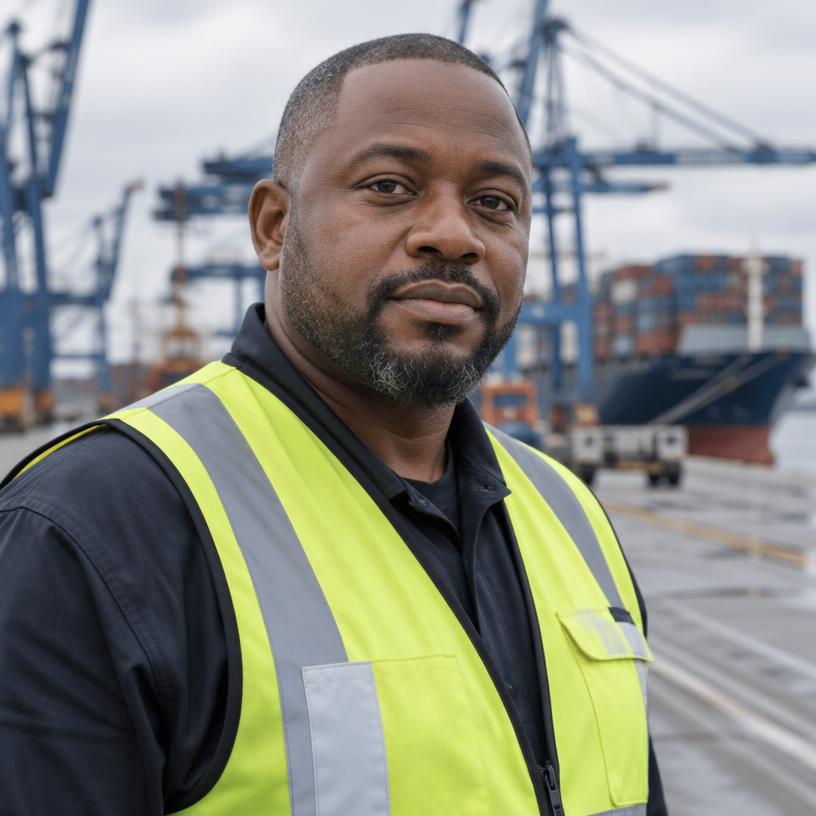
- Extended gate queues and chassis split-moves compress drayage driver capacity from three daily turns down to one or two.
- Terminal bottlenecks trigger an immediate chain reaction from ocean demurrage to carrier per diem to warehouse overtime costs.
- Decoupling ocean containers via near-port transload yards restores predictability to inland distribution schedules.
The Link Between Gate Friction, Chassis Deficits, and Turn Times
Port gate congestion and chassis shortages directly threaten your industrial supply chain because a delayed drayage turn converts ocean container free time into immediate terminal demurrage and carrier per diem penalties while dismantling labor schedules at receiving warehouses. When an intermodal truck driver spends three to four hours clearing an inbound terminal gate, waiting on a straddle carrier, or searching for a roadable chassis, that driver loses the ability to complete multiple runs in a single shift. For industrial importers moving heavy machinery, raw plastics, solar components, and structural steel, this loss of driver velocity immediately backs up inbound purchase orders and leaves dock crews waiting idly across regional distribution networks.
The underlying mechanics trace back to terminal appointment windows and chassis provisioning models. Most marine terminals operate under a Terminal Operating System (TOS) that dictates strict appointment slots for import pick-ups and empty returns. However, appointments do not guarantee quick movement. When an Intermodal Equipment Provider (IEP) faces an equipment imbalance, drivers are frequently forced into split moves: picking up a bare chassis at an off-dock rail depot or chassis pool, hauling it to the marine terminal, waiting in queue, and then mounting the container. If the chassis fails an inspection on an Equipment Interchange Receipt (EIR) due to bad tires, broken brake lights, or twist-lock defects, the driver is sent to a terminal roadability lane. A process that should take forty-five minutes stretches into half a working day.
The Financial Cascade: Free Time Erosion and Warehouse Schedule Failures
Gate delays create an unavoidable financial chain reaction that starts on the terminal pavement and ends on the warehouse floor. Most marine terminals offer typical planning windows of four to five days of free time before demurrage begins, while steamship lines grant five to seven days before container detention, commonly called per diem, starts accruing. When container turn times double, local drayage carriers run out of driving hours under federally mandated electronic logging device rules. Containers sit stranded on terminal pads past their last free day, generating daily storage penalties that escalate rapidly.
The damage is equally severe at the receiving dock. Heavy industrial freight requires dedicated handling assets, including heavy-capacity forklifts, overhead bridge cranes, and specialized rigging crews. When drayage dispatchers cannot predict terminal turn times, containers miss their dock door appointments at inland facilities. Receiving managers face two bad options: keep warehouse labor on overtime standby in the hope that the container clears the terminal by late afternoon, or cancel the appointment and push receiving out several days. Postponing the receipt keeps the container mounted on a chassis, accumulating chassis rental charges and ocean carrier per diem fees every extra day it sits in an off-dock yard.
Mitigating Bottlenecks: Practical Guidance for Industrial Shippers
Importers must stop viewing the drayage leg and the warehouse dock as separate operational silos. First, implement a hard policy of dual-transaction prioritization with your contracted drayage partners. Require motor carriers to bundle import container collections with empty container drop-offs in a single gate pass whenever terminal appointment systems permit. This eliminates single-leg deadhead miles and spares the drayage fleet from waiting in two distinct terminal queues on the same day.
Second, build an off-dock transloading buffer within fifteen to twenty-five miles of your target terminal or inland intermodal ramp. Instead of hauling ocean containers hundreds of miles inland on ocean carrier equipment, dray the boxes short-haul to a near-port transloading warehouse. Cross-dock the contents into domestic dry vans, flatbeds, or dedicated rail boxcars. This approach yields two distinct benefits: it strips out per diem risk by allowing immediate return of the empty ocean container to the terminal within standard free time, and it bypasses port chassis weight limitations, enabling industrial shippers to maximize domestic trailer payloads for dense commodities like steel, lumber, and solar hardware.
Third, establish secondary chassis sourcing models. Do not rely entirely on the general marine chassis pool during peak operational surges. Work with drayage providers that secure private, long-term chassis leases or maintain dedicated yard equipment. Finally, ensure your receiving warehouse operates flexible drop-and-hook staging. When drivers can drop a loaded container on a secure yard pad and instantly hook an empty return, your turn times at the facility drop to under thirty minutes. This operational speed preserves your carrier relationships, shields your company from terminal demurrage, and protects your production schedule from port-side gridlock.
Decouple long-haul inland freight from ocean equipment by establishing a near-port transloading process to return empty containers within carrier free time.
Need Warehouse Space?
Where do you need it, and how much? That is all we need to start looking. Our warehouse consultants review it free and send back the options that fit.