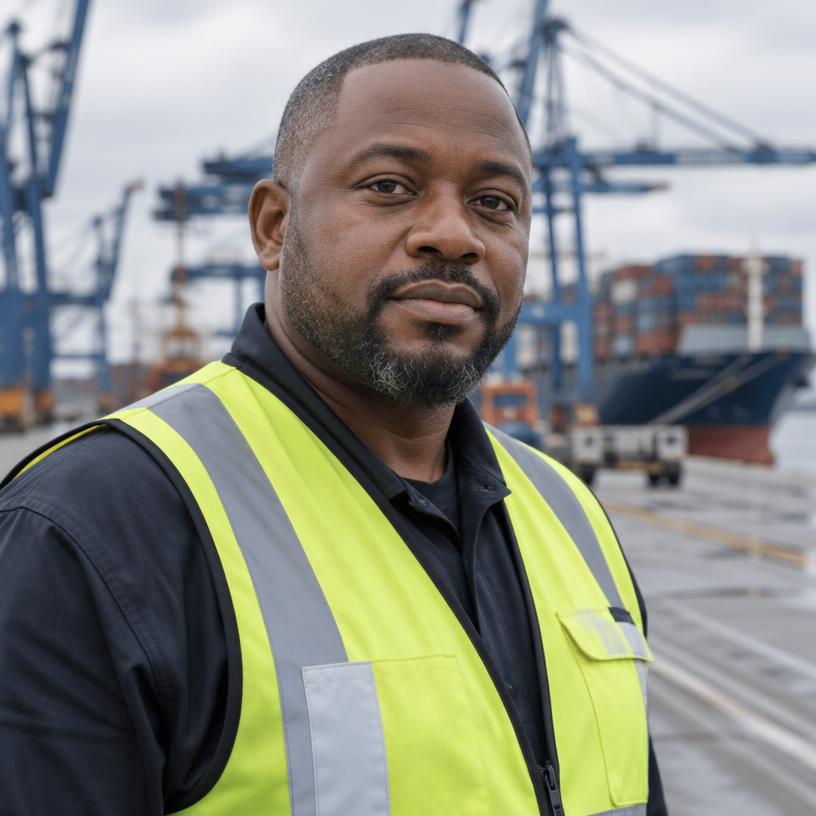
- Demurrage accrues on the terminal while per diem charges accumulate outside the gates once carrier free time expires.
- Dual-transaction rules and restricted empty return windows leave motor carriers holding boxes, generating uncontrollable daily detention penalties.
- Heavy industrial freight requires specialized rigging and yard space to strip containers rapidly before line-haul transport.
- Decoupling ocean container equipment from final facility delivery through near-port transload sites immediately stops the per diem clock.
The Direct Path from Gate Friction to Incurred Accessorials
Demurrage and per diem represent two distinct financial liabilities that trigger the moment cargo velocity breaks down between an ocean terminal or inland rail ramp and a receiving facility. Demurrage is the fee assessed by the marine terminal operator or rail carrier when an import container sits inside the terminal beyond the allotted free time. Per diem, frequently categorized as equipment detention, is the daily fee billed by the ocean ocean carrier or equipment provider when their container and chassis remain outside the terminal gates past the negotiated equipment free time. When terminal gate appointments vanish, drayage motor carriers cannot pull loads off the dock, instantly activating daily demurrage. When receivers cannot turn equipment around quickly, draymen cannot return the empty boxes, and per diem starts accumulating. For high-volume importers, these two compounding charges can easily outpace the base drayage cost of the move within a five-day window.
The root cause of this exposure rarely sits within the drayman's dispatch office. Gate friction, system outages, and sudden terminal vessel-working schedules restrict import delivery windows. At the same time, regional distribution centers often enforce rigid two-hour delivery appointments that do not align with terminal availability. If an industrial importer misses a pickup window because a terminal reaches capacity or cuts off appointments, the container sits on the terminal floor, racking up demurrage that routinely escalates after the first few days of dwell. Once picked up, if that same container cannot be unloaded immediately due to warehouse dock congestion, the clock turns toward per diem detention. Shippers often treat these costs as unavoidable transportation variance, but they are direct operational failures caused by tying warehouse receiving directly to port gate fluidity.
The Equipment Loop: Chassis Street Dwell and Empty Return Traps
The secondary driver of per diem is the structural dysfunction of empty returns. Under the Uniform Intermodal Interchange and Facilities Access Agreement, known as the UIIA, motor carriers operate under strict equipment return parameters dictated by the steamship line, or SSL. Even when an importer empties an import container on day two of a five-day free time window, the motor carrier may find that the designated ocean terminal has closed its gates to empty returns for that specific steamship line or container size. Alternatively, the terminal may enforce dual-transaction requirements, meaning an empty container can only be delivered if the driver simultaneously retrieves an inbound import load.
When an empty container cannot enter a terminal, it remains mounted on a chassis in a drayage carrier's secure yard or at the customer dock. That box continues to draw down equipment free time, triggering per diem against the motor carrier, who will pass that cost directly back to the importer through the bill of lading terms. Furthermore, this dynamic ties up chassis capacity. Chassis providers bill daily street dwell on their equipment, effectively doubling the daily holding cost of the idle box. For inland distribution nodes such as Chicago, Memphis, or Dallas, rail ramp congestion mimics this marine dynamic, where rail storage fees replace marine demurrage with virtually zero dispute flexibility.
Why Non-Food Industrial Freight Faces Elevated Dwell Risk
Industrial cargo profiles heighten this financial risk significantly compared to standard retail consumer goods. Products like structural steel, crated machinery, solar panels, and crated packaging materials are dense, heavy, and frequently near the maximum legal road weight limits. When cargo approaches legal weight thresholds, standard drayage equipment will not suffice. Motor carriers must source tri-axle chassis or specialized permits, which represent a much smaller percentage of the overall chassis pool. A shortage of heavy-spec equipment directly delays terminal pickup, pushing the container past its free time into high-tier demurrage.
At the destination facility, industrial commodities cannot simply be unloaded with a manual pallet jack. Receiving structural building products, coiled metals, or fragile components requires specialized material handling equipment, such as heavy-capacity pneumatic forklifts, roll clamps, or overhead gantry cranes. If a receiving plant has a single certified heavy-lift operator out sick, or if its flatbed unloading pad is backed up with domestic deliveries, ocean containers are relegated to drop-lot status. Leaving heavy, specialized cargo sitting inside ocean boxes on the ground burns through four to seven days of equipment free time with astonishing speed, triggering tiered per diem penalties that increase the longer the box remains out of the terminal network.
Operational Levers: Breaking the Cycle Through Transload and Staging
To insulate an industrial supply chain from demurrage and per diem, shippers must disconnect ocean container equipment from final destination delivery. The most effective tactical lever is utilizing an off-dock transload facility or industrial cross-dock within a twenty-five to forty-mile radius of the port or rail ramp. Instead of dispatching an ocean container on a long-haul move of several hundred miles to an inland manufacturing plant, the container is drayed locally, stripped immediately, and returned to the ocean terminal on the same shift or the following morning. This approach halts the per diem clock instantly and eliminates chassis street dwell.
Once cargo is stripped, warehouse teams transfer the freight directly into regional 53-foot domestic dry vans, flatbeds, or temporary industrial floor storage. For products like lumber, pipe, or crated equipment, transloading into open-deck flatbeds also simplifies unloading for the end receiver, who typically prefers side-unloading with heavy forklifts over navigating a tight 40-foot box. If full transloading is cost-prohibitive for lower-margin commodities, industrial shippers should negotiate dedicated drop-lot agreements with drayage partners or regional industrial yards that maintain neutral chassis pools. Establishing advance agreements where loaded boxes can be grounded off the chassis allows the trucker to return the ocean container chassis immediately, mitigating daily chassis billing while the freight waits for its final warehouse intake window.
Audit your average container dwell times across regional ports, and establish a local transload partner to strip inbound containers within 48 hours of discharge before accessorial charges compound.
Need Warehouse Space?
Where do you need it, and how much? That is all we need to start looking. Our warehouse consultants review it free and send back the options that fit.